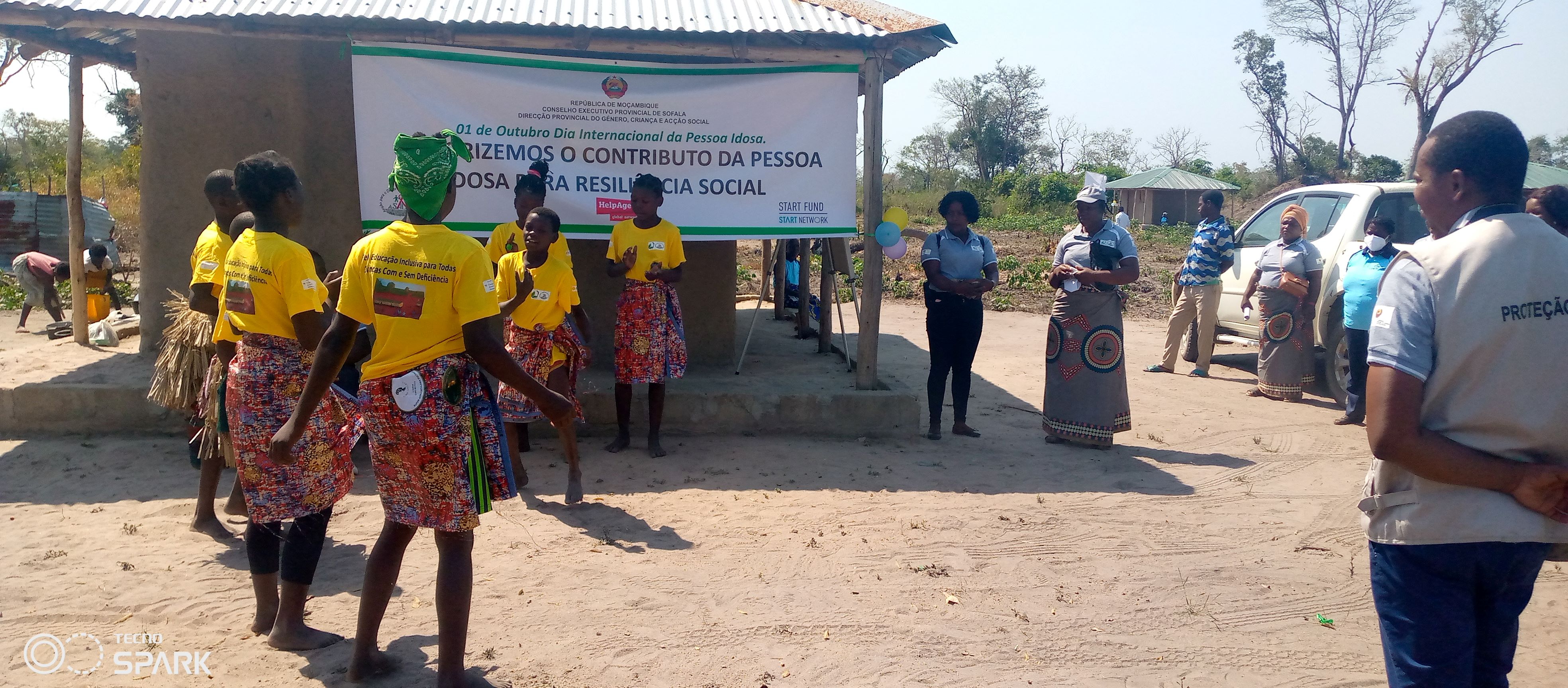
Age-inclusive emergency response supporting 300 families and 500+ elderly people affected by floods and cyclones in Sofala Province, Mozambique. In partnership with ASB (Arbeiter-Samariter-Bund).
When climate disasters strike Mozambique, elderly people are among the most invisible victims. Reduced mobility, chronic conditions, and social isolation make older adults especially vulnerable during floods, cyclones, and inundations. This program flipped that reality — putting elderly people at the center of humanitarian response in Sofala.
Building on ASADEC's 25-year legacy of advocacy — including our contribution to Law 3/2014 on the Protection of the Rights of Elderly People in Mozambique — this program partnered with ASB (Arbeiter-Samariter-Bund), a German humanitarian organization, to deliver rapid, dignified, and age-inclusive emergency response across the districts of Buzi, Nhamatanda, Dondo, and Beira.
From January 2025 to March 2026, the program combined early warning systems, NFI kits distribution, WASH interventions with 4 rehabilitated water wells, dignified transport for the elderly, psychosocial support, and advocacy for age-inclusive humanitarian policy.
Sofala Province sits at the intersection of Mozambique's climate crisis and demographic vulnerability.
Since Cyclone Idai (2019) devastated central Mozambique, Sofala has faced recurring floods and cyclones — including Cyclone Chido and the 2025 inundations that displaced thousands across Buzi and Nhamatanda.
ASADEC led the community campaign that contributed to Law 3/2014 — Mozambique's landmark elderly rights protection. This program operationalized those legal rights during real humanitarian crises.
Global humanitarian standards often overlook older adults — assuming heads of household are working-age. Our program corrected that gap in Mozambique's emergency response ecosystem.
What guided our climate emergency response for elderly people in Sofala.
Deploy community-based early warning networks specifically designed to reach elderly people first — before floods hit and mobility becomes impossible.
Distribute Non-Food Items (NFI) kits — blankets, hygiene supplies, mosquito nets, cooking sets — adapted to the specific needs of elderly beneficiaries.
Rehabilitate water wells and sanitation infrastructure in affected communities — ensuring clean water access, particularly critical for elderly health.
Provide safe, accessible transport for elderly evacuation and relocation — respecting their dignity and physical limitations during emergency movement.
Deliver trauma-informed psychosocial care to elderly survivors — addressing grief, loss, and displacement-related mental health impacts.
Establish and strengthen 30 community-level committees that continue protecting elderly people long after the emergency response ends.
Push for national emergency protocols that explicitly account for elderly needs — building on Law 3/2014's foundation and INGD cluster coordination.
Between January 2025 and March 2026, the program achieved concrete results across four districts.
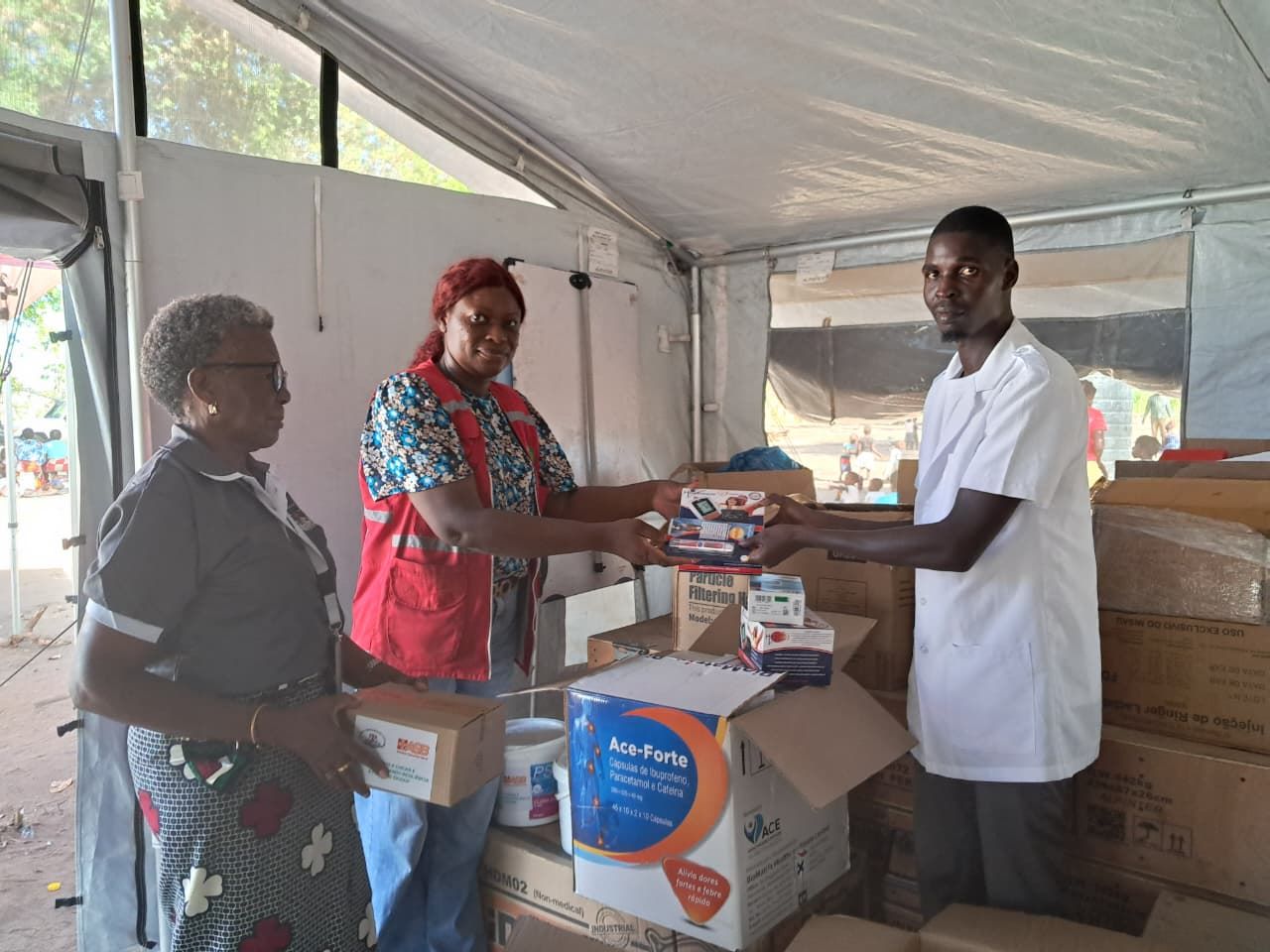
Working alongside INGD's Social Protection Cluster, our team delivered integrated humanitarian response across Buzi, Nhamatanda, Dondo, and Beira — with elderly people at the center of every intervention.
From emergency kits to well rehabilitation, from psychosocial support to policy advocacy, this response demonstrated that age-inclusive humanitarian action is not only possible — it is essential.
Your donation lets us respond faster to the next emergency — reaching more elderly people, rehabilitating more wells, and building stronger community protection committees across Sofala.
Click any image to view in full size. Use the arrows to navigate.
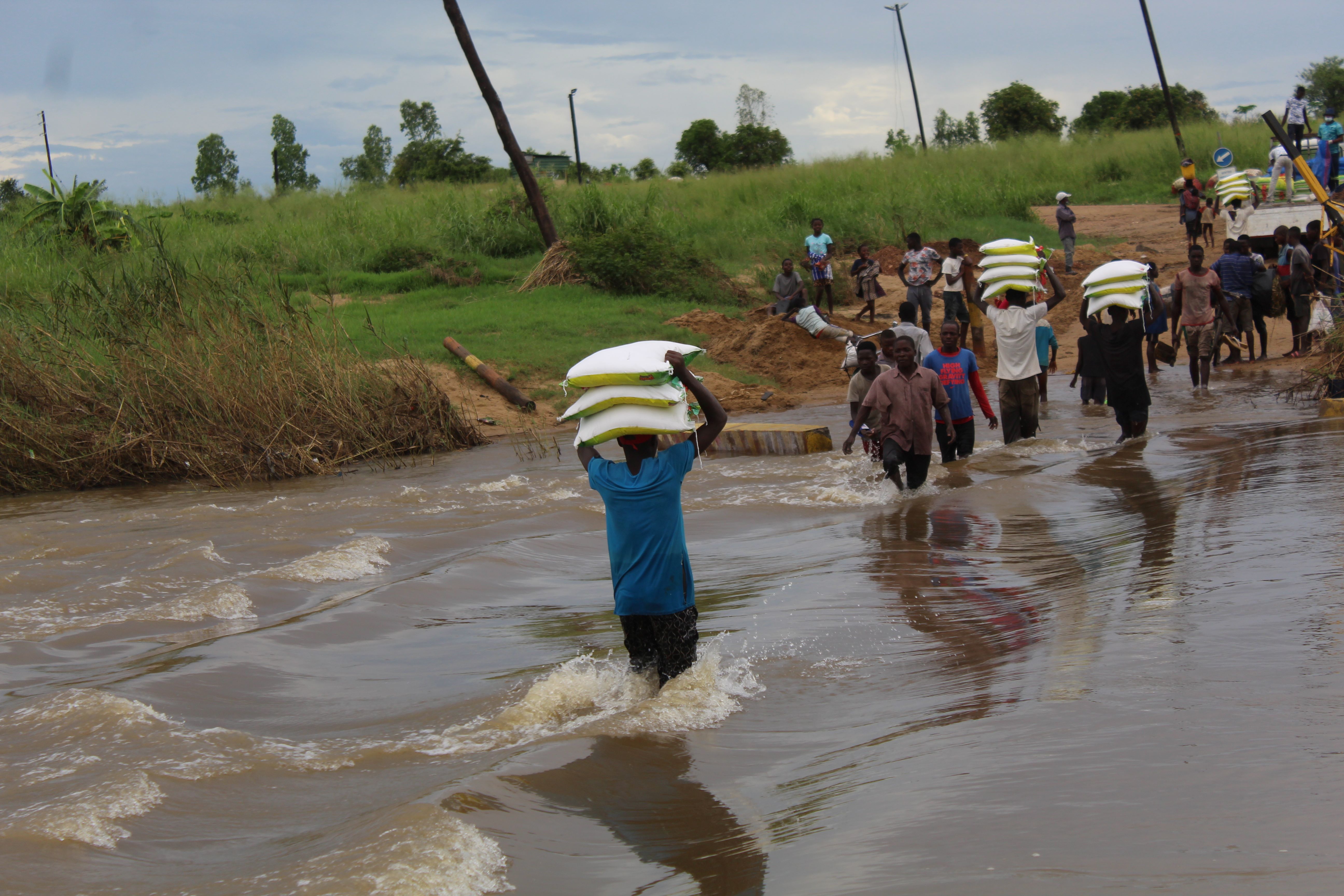
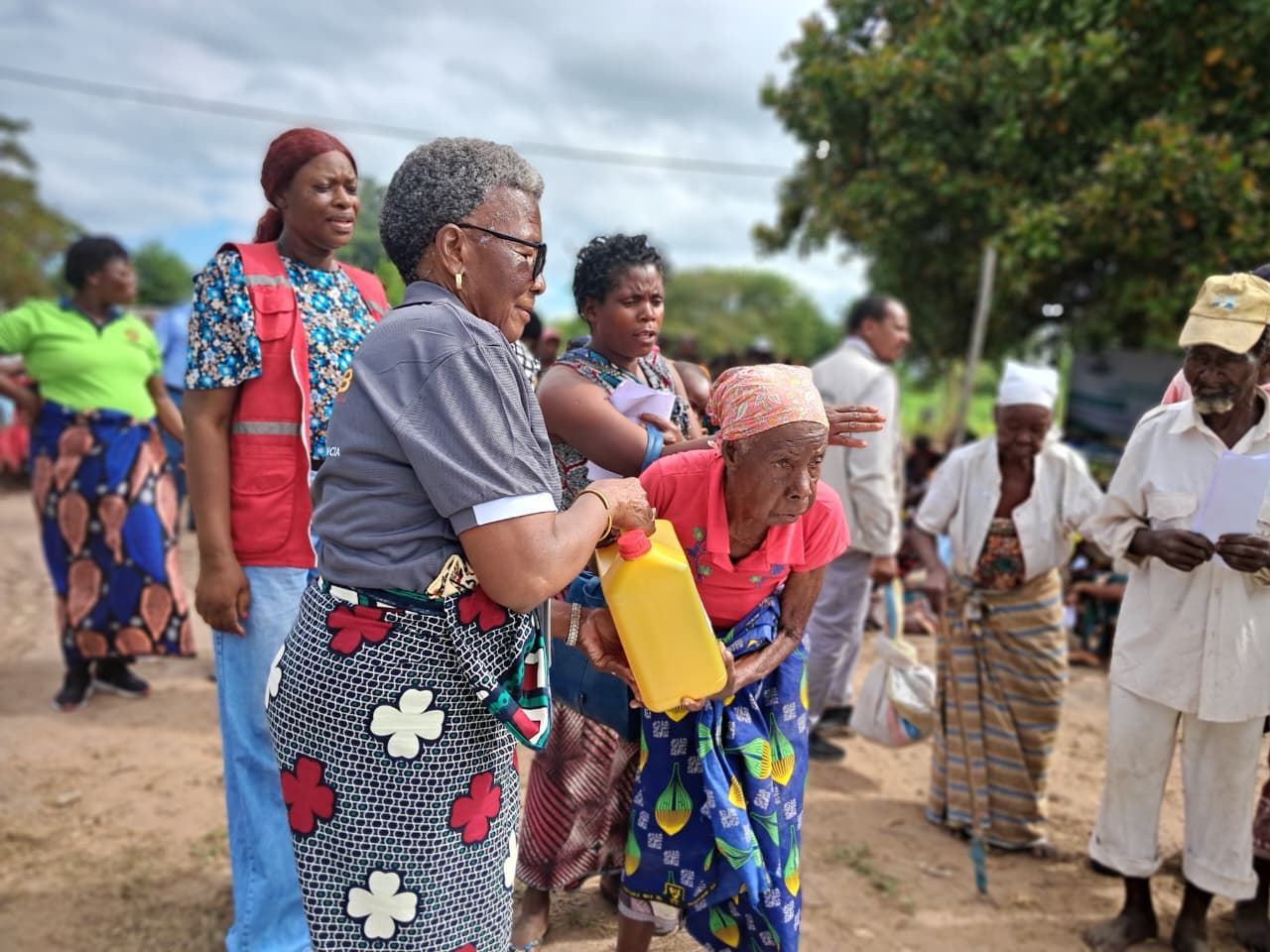
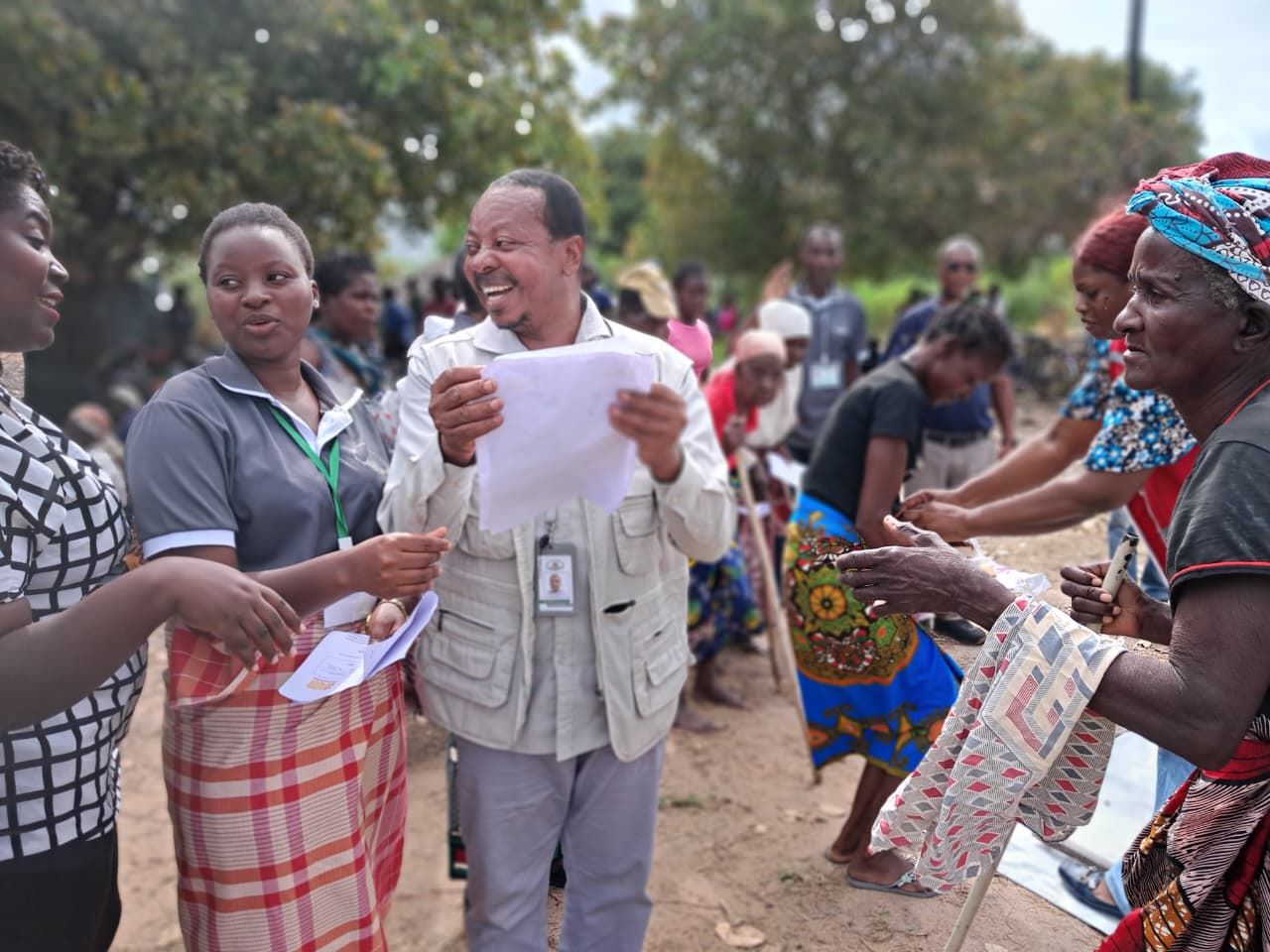
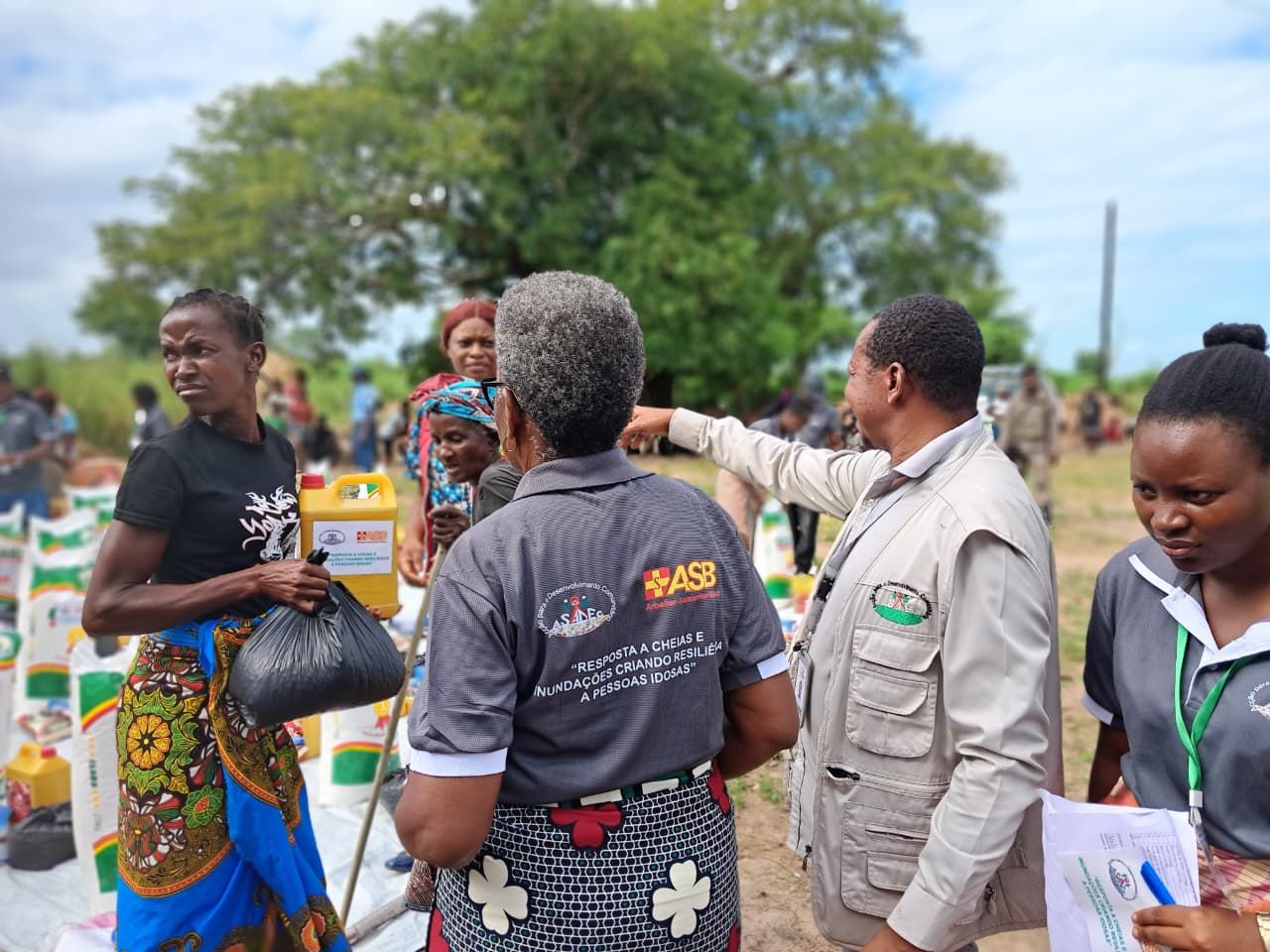
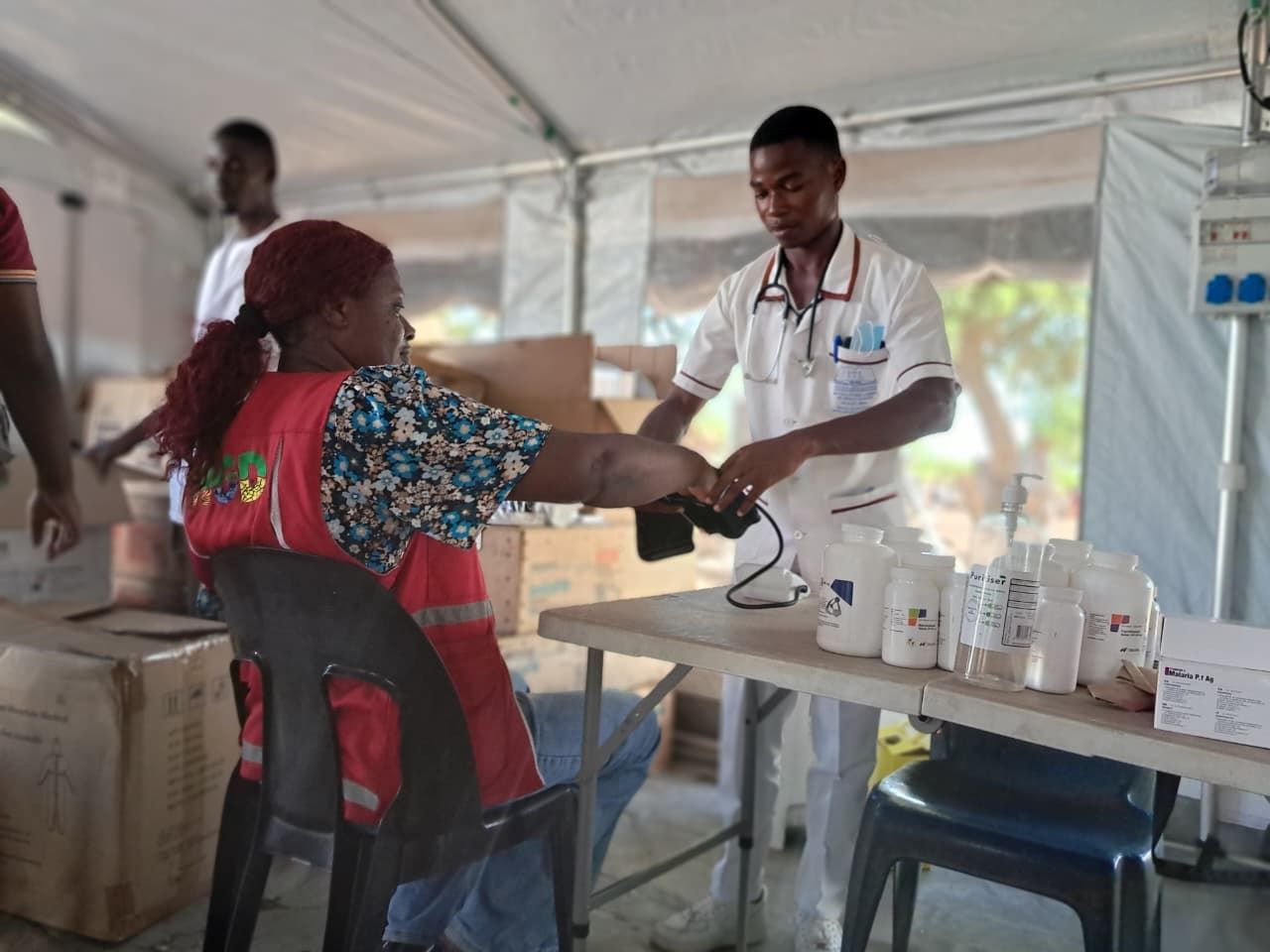
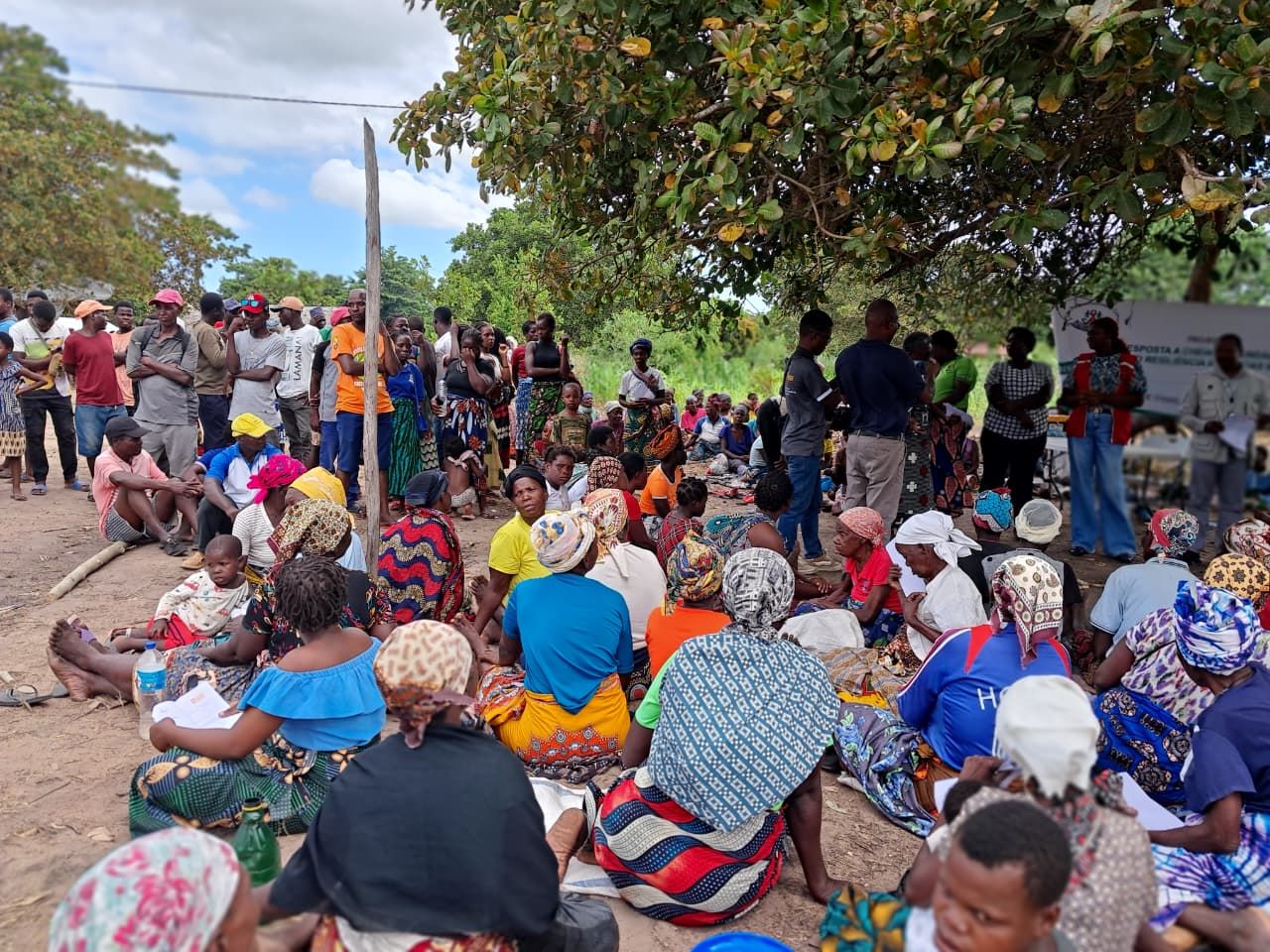
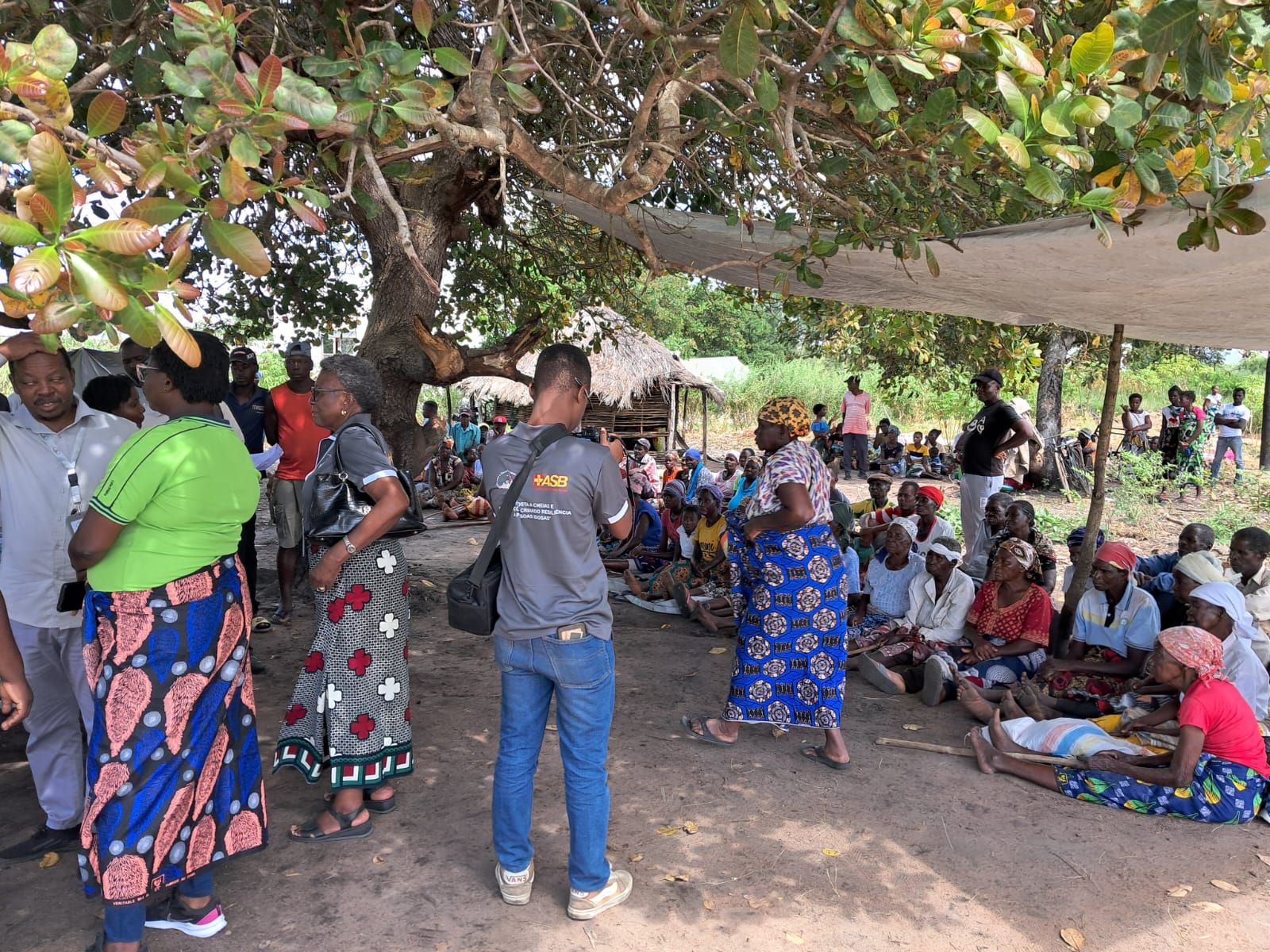
Testimonials and field reports from the response — available in Portuguese and English.
This program ended in March 2026 — but its impact continues in three concrete ways.
The community protection committees trained during the project continue operating in Buzi, Nhamatanda, Dondo, and Beira — monitoring elderly vulnerability and coordinating with local authorities.
Program findings and best practices were shared with Mozambique's INGD, feeding into national dialogue on age-inclusive emergency response protocols.
The 4 rehabilitated water wells and improved sanitation infrastructure continue serving thousands of community members — well beyond the elderly beneficiaries targeted.
International and national partners making age-inclusive humanitarian response possible.
Arbeiter-Samariter-Bund — a German international humanitarian organization with over 130 years of experience in emergency response, health, and social inclusion worldwide.
Mozambique's National Institute for Disaster Management. ASADEC has been a member of INGD's Social Protection Cluster since 2019, coordinating emergency response.
Local implementer with 25 years of elderly advocacy in Sofala — including leading the community campaign for Law 3/2014 on elderly rights protection.
Your gift funds age-inclusive emergency response that reaches those often left behind in humanitarian crises.